How Dental Bridges Fill The Gap Left By Missing Teeth
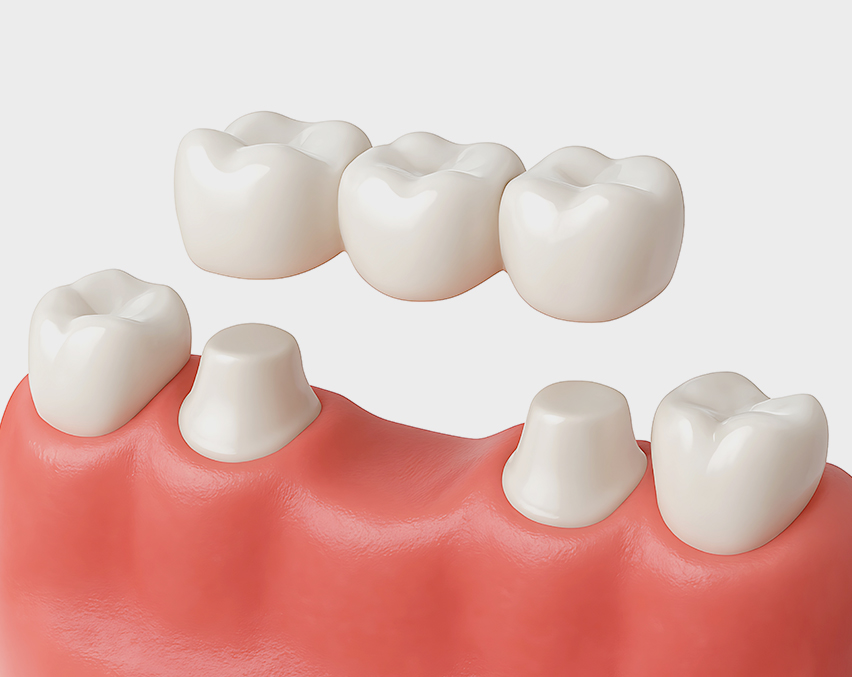
When a tooth is lost, the empty space can cause surrounding teeth to shift out of place. This movement may lead to misalignment, bite problems, and jaw discomfort. A dental bridge secures the gap, maintaining your smile’s natural balance.
- Anchored securely: Supported by crowns or dental implants for enhanced stability.
- Preserves jawbone health: Helps maintain the natural structure of your jaw.
- Enhances overall aesthetics: Blends seamlessly with your natural smile.
The Types Of Dental Bridges Available
Not all dental bridges are the same, and the right one depends on your specific needs. We will help determine the best option to restore your smile’s function and appearance. Each type of dental bridge offers unique advantages based on your situation.
- Traditional bridges: Secured by crowns placed on natural teeth adjacent to the gap.
- Implant-supported bridges: Attached to dental implants for enhanced durability.
- Cantilever bridges: Used when only one adjacent tooth is available for support, making them ideal for certain areas of the mouth.